
Services
Services
Cytogen was the first in the world to secure high-purity CTC isolation technology,
providing a liquid biopsy-based omics analysis platform that precisely analyzes a patient's cancer genetic
information using only blood samples.
Cytogen offers optimized solutions for identifying tumor heterogeneity, drug development, and companion diagnostics to researchers and pharmaceutical companies, while supporting minimally invasive and precise personalized treatment for patients by replacing traditional tissue biopsies with blood-based testing.
Single Cell
Analysis


Single Cell input
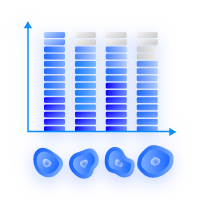
Each cell type has a distinct expression profile

Reveals heterogeneity and subpopulation expression variability of thousands of cells

Tissue

Liquid
Bulk
Analysis

Bulk RNA Input
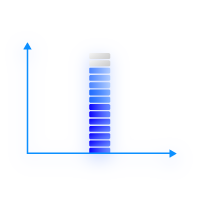
Average gene expression from all cells

Cellular heterogeneity masked
Through state-of-the-art sequencing and molecular analysis, Cytogen provides comprehensive genomic information, including cancer-specific gene expression and mutations, intratumoral heterogeneity, rare cell detection, and immune response analysis.
Each analysis service delivers data and insights optimized for drug development, biomarker discovery, and personalized precision medicine. These services operate as a high-accuracy liquid biopsy platform, integrated with Cytogen’s proprietary high-purity CTC isolation technology.
In addition, we provide integrated solutions optimized for research and clinical goals through multi-omics expansion analysis and customized bioinformatics pipelines.
Precision Cancer Genomics (DNA-based)
WGS analyzes the entire genome to identify germline and somatic mutations, CNVs, and structural variations, providing critical data for drug development and biomarker discovery.
By comprehensively analyzing the entire genome to detect germline/somatic mutations, Copy Number Variations (CNV), and Structural Variations (SV), WGS offers a complete genetic blueprint.
Leveraging CTC-based liquid biopsy, Cytogen delivers high-quality whole-genome data even for patients where traditional tissue acquisition is challenging.
WES focuses on protein-coding regions to detect clinically significant variants, optimizing companion diagnostics and treatment response prediction.
WES provides an efficient approach by specifically analyzing exons—the protein-coding regions of the genome—to identify variants with high clinical relevance.
By utilizing CTC-derived DNA instead of tissue, Cytogen enables high-precision analysis while reducing the burden on patients.
Based on specific gene panels, high-sensitivity analysis is conducted to validate therapeutic targets and screen patients for clinical trials.
Targeted Sequencing provides high-sensitivity and high-precision analysis based on specific gene panels.
It enables panel designs customized to research objectives and is optimized for companion diagnostics and therapeutic target validation.
Precision Single-cell Analysis (RNA-based)
scRNA-seq analyzes gene expression at the single-cell level to identify intratumoral heterogeneity, rare cells, and mechanisms of metastasis and immune evasion.
scRNA-seq measures gene expression at the single-cell level to identify intratumoral heterogeneity, rare cells, and cell-to-cell interactions.
Further analyses, including pseudotime and immune repertoire (V(D)J), enable the interpretation of metastasis, differentiation processes, and the immune environment.
Ultra-precision Diagnostic Analysis (qPCR & ddPCR)
qPCR quantifies specific gene expression to monitor patients and validate candidate biomarkers.
qPCR quantitatively measures the expression levels of specific genes, facilitating comparative analysis and monitoring of patients before and after treatment.
ddPCR enables ultra-low concentration variant detection, making it effective for Minimal Residual Disease (MRD) monitoring and tracking therapeutic efficacy.
ddPCR is a next-generation PCR technology capable of precisely detecting even ultra-low concentrations of DNA/RNA mutations.
It is specifically optimized for Minimal Residual Disease (MRD) monitoring and the early detection of recurrence risk.
Integrated
Precision Analysis
By integrating various omics data tailored to research objectives and clinical conditions, we provide customized analytical solutions.
Multi-omics involves the integrated analysis of diverse data—including genomics, transcriptomics, proteomics, and metabolomics—to comprehensively interpret the complex molecular mechanisms and phenotypes of cancer. By combining NGS data with analysis results from rare cells like CTCs, we derive multidimensional insights through advanced bioinformatics techniques.
We provide reliable and reproducible results through an intuitive and standardized procedure.

Blood
Collection


CTC Isolation
& Purification

Library
Preparation

NGS/
ddPRC

Data
Analysis

Report
Delivery

Efficacy validation for novel anticancer drug candidates

Minimal residual disease (MRD) monitoring

Companion diagnostics and patient-tailored treatment

Preclinical & basic research
Cytogen is the first company in the world to secure high-purity circulating tumor cell (CTC) isolation technology. This breakthrough enables high-precision genomic analysis using only blood samples, providing a vital alternative for patients for whom traditional tissue biopsies are difficult. Beyond simply providing data, Cytogen operates a seamless, integrated process—from sample preparation and analysis to final reporting —ensuring the stable delivery of reliable results.
We offer a comprehensive suite of analytical services, including WGS, WES, targeted sequencing, scRNA-seq, and qPCR/ddPCR. By linking single-cell analysis and multi-omics expansion as needed, we support flexible solutions tailored to specific research objectives and clinical conditions.
The expertise accumulated through collaborations with domestic and international pharmaceutical companies, hospitals, and research institutions is a core strength of our service. This enables us to provide highly actionable insights for diverse applications, including drug development, companion diagnostics (CDx), patient-tailored treatment, and MRD monitoring. Through our CTC-based liquid biopsy technology and one-stop analytical system, Cytogen delivers highly reliable genomic services that empower both patients and researchers.
AddressB-4F(unit3,4), 60, Gwacheon-daero 7na-gil, Gwacheon-si, Gyeonggi-do
Tel+82-2-6925-1070 Fax+82-2-2044-1071 E-mailcustomer@cytogenlab.com

COPYRIGHT © Cytogen Inc. ALL RIGHT RESERVED.